Table of Contents
- What Is Automotive Wiring?
- Main Types of Automotive Wiring
- Quick Automotive Wire Selection Guide
- Common Insulation Materials
- How to Choose the Right Automotive Wiring
- Automotive Wiring Installation Best Practices
- Common Installation Mistakes
- Common Automotive Wiring Problems
- Automotive Wiring Maintenance Tips
- Future Trends in Automotive Wiring
- Key Takeaways
- Frequently Asked Questions
- Conclusion
By quanyu lee
2026-07-28 14:27:17
Automotive Wiring Guide: Types, Wire Gauge, Installation & Troubleshooting
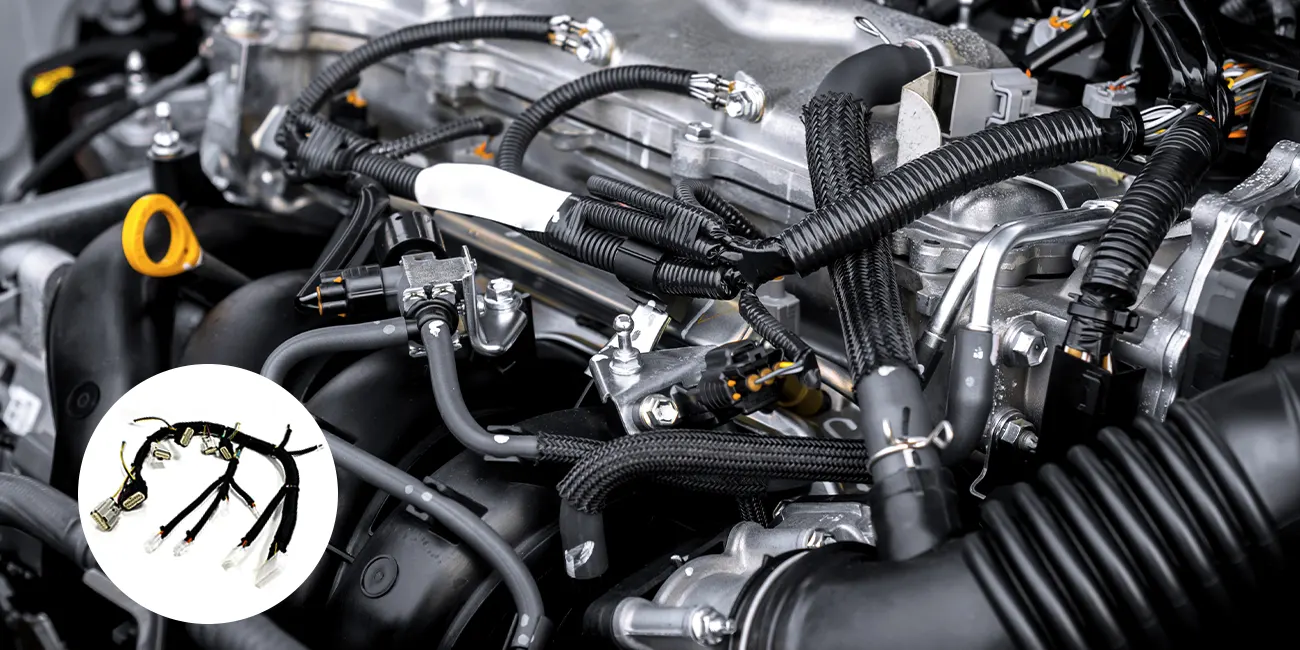
Automotive wiring is the electrical backbone of every vehicle. It delivers power from the battery to major components while transmitting signals between ECUs, sensors, motors, lighting systems, and infotainment devices. Unlike ordinary electrical wire, automotive wire is built to withstand vibration, heat, moisture, chemicals, and continuous movement inside harsh vehicle environments.
Whether you're manufacturing wiring harnesses, repairing a vehicle, or upgrading electrical accessories, choosing the correct wire type, gauge, and insulation is essential for reliable performance and long service life. This guide explains the most common automotive wire types, how to select the right cable, installation best practices, and practical maintenance tips.
What Is Automotive Wiring?
Automotive wiring is a network of wires, connectors, terminals, fuses, relays, and wiring harnesses that distributes electrical power and transmits signals throughout a vehicle. It supports everything from engine starting and battery charging to lighting, climate control, infotainment, and advanced driver assistance systems (ADAS).
Compared with standard electrical wire, automotive wiring is lighter, more flexible, and designed to resist heat, vibration, oil, moisture, and abrasion. Proper wire selection not only improves electrical reliability but also reduces voltage drop, prevents overheating, and helps avoid costly electrical failures.
Its primary functions include:
- Delivering power to high-current components such as starters, cooling fans, and fuel pumps
- Transmitting signals between ECUs, sensors, and control modules
- Supporting vehicle communication networks such as CAN Bus and Automotive Ethernet
- Protecting electrical systems through proper insulation and wiring harness organization
Main Types of Automotive Wiring
Different vehicle systems require different types of automotive wire. Selecting the correct wire improves safety, durability, and overall electrical performance.
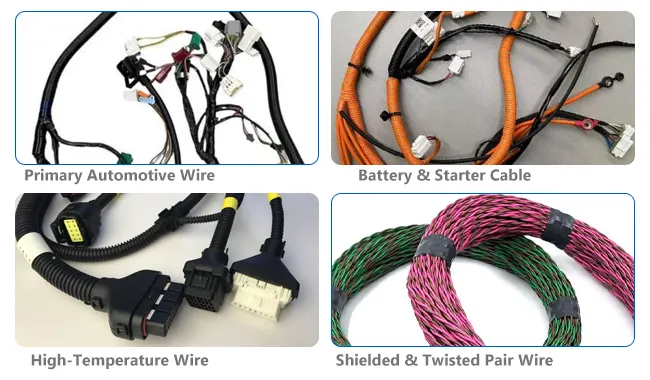
Primary Automotive Wire
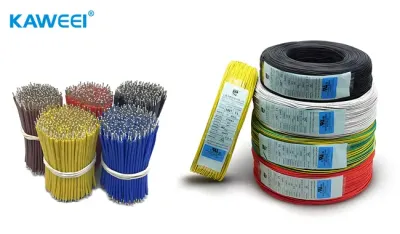
Primary wire is the most commonly used automotive electrical wire for interior lighting, dashboard electronics, switches, and general low- to medium-current circuits. It typically uses stranded copper conductors with PVC or XLPE insulation, providing good flexibility, durability, and cost efficiency for everyday vehicle applications.
Battery & Starter Cable
Battery and starter cables carry high current between the battery, starter motor, and alternator. They usually use large-gauge stranded copper conductors (1–4 AWG) with heavy-duty insulation to minimize voltage drop and ensure reliable engine starting, even under demanding conditions.
High-Temperature Wire
High-temperature automotive wire is designed for engine compartments and other hot environments. Using XLPE or fluoropolymer insulation, it can typically withstand continuous temperatures of 125–150°C, making it ideal for engine wiring harnesses, cooling systems, and hybrid or electric vehicles.
Shielded & Twisted Pair Wire
Modern vehicles rely on shielded and twisted pair wires for stable data communication. These wires reduce electromagnetic interference (EMI) and electrical noise, making them essential for CAN Bus, LIN Bus, Automotive Ethernet, cameras, radar, and ADAS systems where signal accuracy is critical.
Quick Automotive Wire Selection Guide
| Application | Recommended Wire |
|---|---|
| Interior lighting | 20–22 AWG PVC |
| Dashboard switches | 18–20 AWG PVC |
| Audio system | 16–18 AWG PVC |
| Fog lights | 14–16 AWG XLPE |
| Cooling fan | 12–14 AWG XLPE |
| Fuel pump | 10–12 AWG XLPE |
| Alternator | 4–8 AWG XLPE |
| Battery cable | 1–4 AWG |
| CAN Bus | Shielded twisted pair |
| ADAS sensors | Shielded twisted pair |
| EV high-voltage system | High-voltage automotive cable |
Engineering Tip
When selecting automotive wire, don't consider current alone. Cable length also affects voltage drop. For long cable runs or high-current circuits, choosing one wire size larger than the minimum requirement often improves reliability with only a small increase in cost.
Common Insulation Materials
Wire insulation protects the conductor from heat, moisture, chemicals, and mechanical damage. PVC and XLPE are the two most widely used materials in automotive applications.
| Material | Temperature Rating | Typical Applications |
|---|---|---|
| PVC | Up to 105°C | Interior wiring, lighting, dashboard |
| XLPE | 125–150°C | Engine compartment, EVs, high-temperature circuits |
PVC is an economical choice for general vehicle wiring, while XLPE offers superior heat resistance, abrasion resistance, and durability. For under-hood applications, XLPE is generally the preferred option because it performs more reliably in harsh operating environments.
How to Choose the Right Automotive Wiring
Selecting automotive wiring is more than simply matching the wire size. A reliable electrical system depends on choosing the right combination of wire gauge, conductor material, insulation, and installation environment. The wrong choice can lead to voltage drop, overheating, communication errors, or premature wire failure.
When selecting automotive wire, focus on the following four factors.
1. Choose the Correct Wire Gauge (AWG)
Wire gauge determines how much current a wire can safely carry. In the AWG (American Wire Gauge) system, a smaller AWG number means a thicker wire with higher current capacity.
| Wire Size | Typical Applications |
|---|---|
| 20–22 AWG | Sensors, interior lighting, switches |
| 16–18 AWG | Audio systems, accessories, relays |
| 12–14 AWG | Cooling fans, fog lights, fuel pumps |
| 4–8 AWG | Alternators, winches, high-power equipment |
| 1–4 AWG | Battery and starter cables |
Choosing a wire that is too small increases resistance and heat, while an oversized wire adds unnecessary weight and cost. Always consider both current load and cable length when selecting the appropriate gauge.
2. Select the Right Conductor & Insulation
Most automotive wires use stranded copper conductors because they provide excellent electrical conductivity and flexibility. Compared with solid wire, stranded copper better withstands constant vibration without cracking or breaking.
The insulation should match the operating environment:
- PVC — Best for interior wiring and standard applications.
- XLPE — Recommended for engine compartments and high-temperature environments.
- Fluoropolymer — Used in extreme heat or chemically aggressive conditions.
Matching the insulation to the application helps extend wire life and improve long-term reliability.
3. Consider the Installation Environment
Different vehicle areas expose wiring to different conditions, so environmental protection is just as important as electrical performance.
| Installation Area | Recommended Features |
|---|---|
| Cabin | Flexible, flame-retardant |
| Engine compartment | Heat and oil resistant |
| Underbody | Waterproof and corrosion-resistant |
| Doors & tailgates | High-flex stranded wire |
| EV battery systems | High-voltage insulated cable |
Choosing wire designed for its working environment significantly reduces future maintenance and failure rates.
Engineering Tip
In custom wiring harness manufacturing, wire failures are more often caused by heat, vibration, or improper routing than by the conductor itself. Selecting the correct insulation and protecting the harness with conduit or braided sleeving often extends service life more effectively than simply using a larger wire.
Automotive Wiring Installation Best Practices
Even the highest-quality automotive wire can fail if it is installed incorrectly. Following a few proven installation practices helps improve reliability and makes future maintenance much easier.
- Route wires away from exhaust components, sharp edges, and moving parts.
- Secure harnesses with clips or cable ties to prevent vibration damage.
- Use waterproof connectors and heat-shrink tubing in exposed areas.
- Match fuse ratings to the wire gauge and circuit load.
- Leave enough slack near doors, tailgates, and hinged components to prevent repeated bending.
- Label or color-code circuits whenever possible to simplify troubleshooting and future repairs.
Proper routing and protection are often just as important as selecting the correct wire.
Common Installation Mistakes
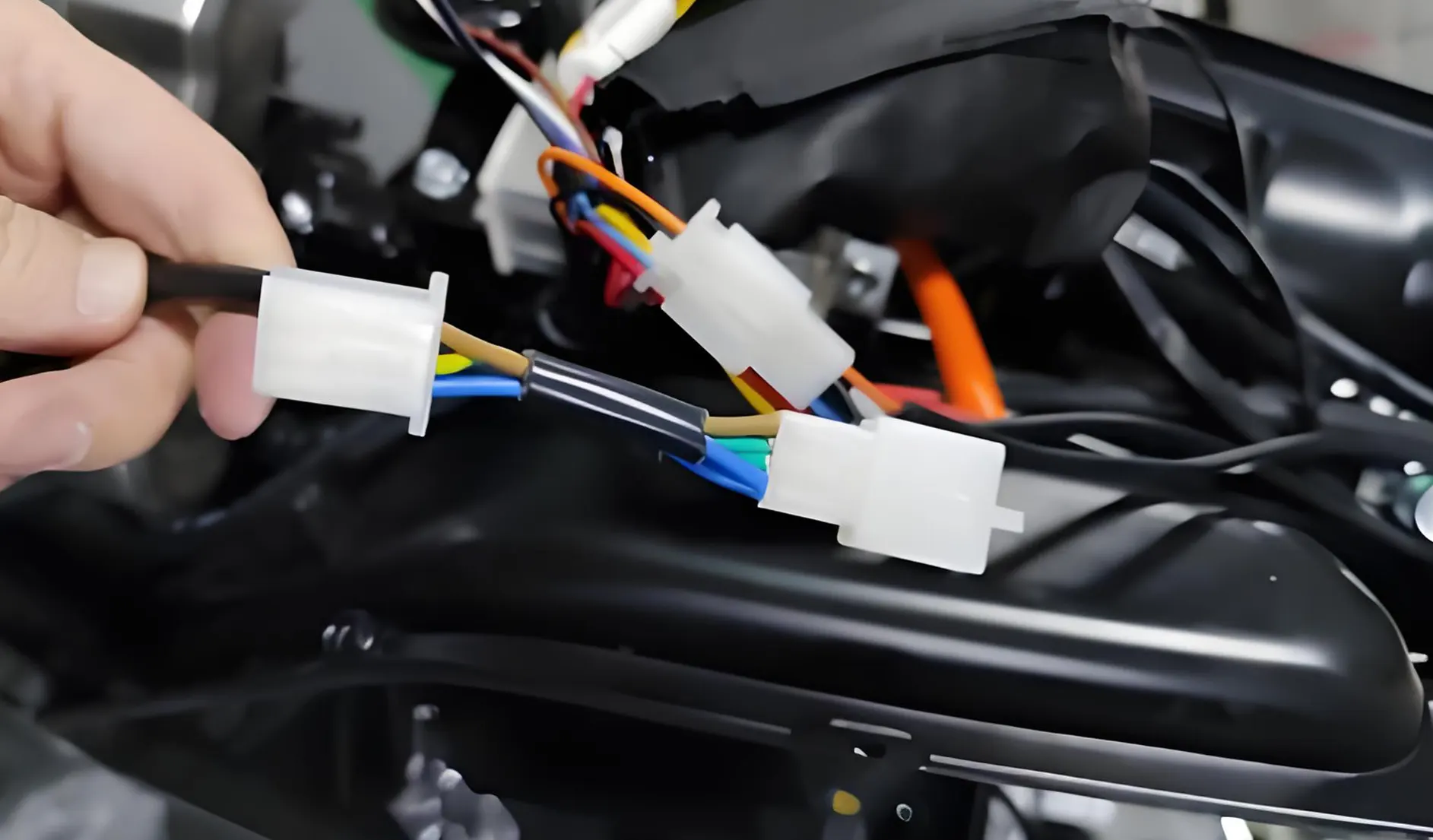
Many electrical problems are caused by installation errors rather than defective wire. Avoid these common mistakes to improve system reliability. Using a wire gauge that is too small for the circuit.
- Installing PVC wire near high-temperature engine components.
- Routing harnesses without protective sleeves or clips.
- Connecting wires with loose crimp terminals.
- Wrapping damaged wires with electrical tape instead of making a permanent repair.
- Bypassing fuses or replacing them with higher-rated fuses.
Common Mistake
Twisting two wires together and covering them with electrical tape may work temporarily, but vibration and heat can quickly loosen the connection. A properly crimped terminal or soldered splice protected with heat-shrink tubing provides a much safer and longer-lasting repair.
Common Automotive Wiring Problems
Even well-designed wiring systems require periodic inspection. Catching small issues early helps prevent expensive repairs and unexpected breakdowns.
| Problem | Possible Cause | Recommended Solution |
|---|---|---|
| Blown fuse | Short circuit or overload | Inspect damaged wiring and replace the correct fuse |
| Corroded terminals | Moisture or road salt | Clean terminals and apply dielectric grease |
| Voltage drop | Loose connections or undersized wire | Tighten terminals or upgrade wire size |
| Intermittent faults | Broken conductor or poor crimp | Replace the damaged section and reconnect properly |
| Communication errors | EMI or damaged twisted pair | Inspect shielded wiring and connectors |
Most wiring problems can be avoided through correct wire selection, proper installation, and regular inspection rather than waiting for failures to occur.
Automotive Wiring Maintenance Tips
Regular maintenance helps prevent unexpected electrical failures and extends the life of both the wiring and connected components. A few simple checks each year can identify potential issues before they become expensive repairs.
- Inspect wiring harnesses for cracks, abrasion, or loose fasteners.
- Clean corroded terminals using electrical contact cleaner and apply dielectric grease if necessary.
- Replace damaged wires instead of using temporary tape repairs.
- Check clips, grommets, and protective sleeves to ensure wires remain properly secured.
- Scan the vehicle periodically for diagnostic trouble codes (DTCs), especially if warning lights appear.
Maintenance Tip
During routine servicing, pay extra attention to the engine compartment and underbody. These areas experience the highest levels of heat, vibration, moisture, and road debris, making them the most common locations for wiring damage.
Future Trends in Automotive Wiring
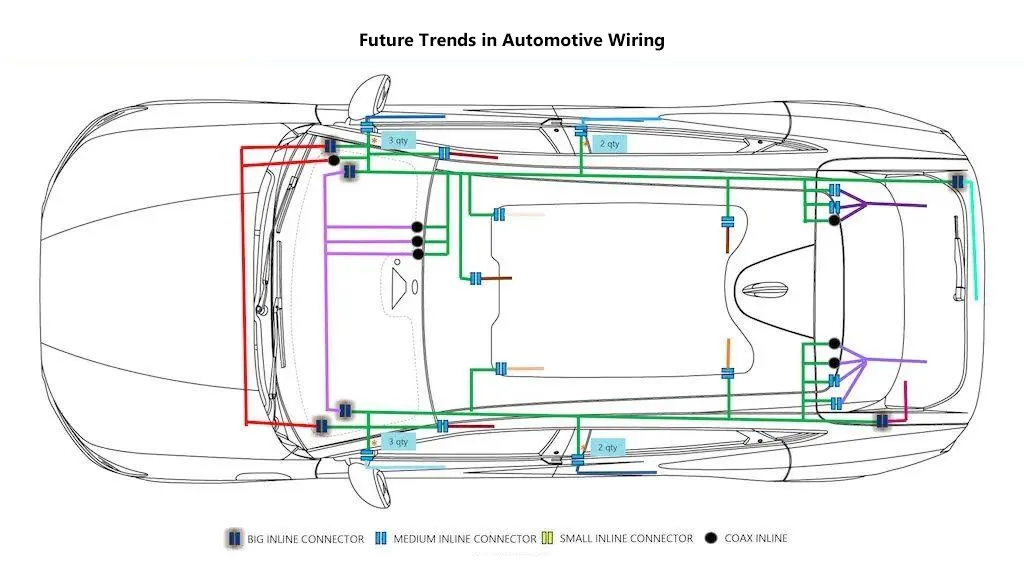
Vehicle electrification and intelligent driving technologies are rapidly changing automotive wiring design. Modern wiring systems are becoming lighter, smarter, and capable of handling both higher power and faster data transmission.
Lightweight Wiring Harnesses
Automakers are reducing vehicle weight by using thinner insulation materials, optimized harness layouts, and lightweight conductor technologies. Smaller and lighter wiring harnesses improve fuel economy and help extend the driving range of electric vehicles.
High-Voltage Wiring for EVs
Electric and hybrid vehicles require high-voltage cables capable of safely carrying hundreds of volts between battery packs, inverters, motors, and charging systems. These cables use enhanced insulation, high-temperature materials, and orange jackets for easy identification and improved safety.
Smart Vehicle Networks
As ADAS, autonomous driving, and connected vehicles continue to develop, communication networks such as CAN FD and Automotive Ethernet are replacing traditional wiring for high-speed data transmission. Future wiring harnesses will carry not only electrical power but also increasing amounts of digital information.
Key Takeaways
Before selecting or installing automotive wiring, remember these key points:
- Choose the correct AWG wire size based on current load and cable length.
- Select PVC for general applications and XLPE for high-temperature environments.
- Use shielded or twisted-pair wire for communication and sensor circuits.
- Protect wiring with proper routing, clips, conduit, and waterproof connectors.
- Inspect wiring regularly to detect wear, corrosion, or loose connections before failures occur.
Following these principles helps improve electrical reliability, reduce maintenance costs, and extend the service life of the entire vehicle.
Frequently Asked Questions
What is the difference between automotive wire and regular electrical wire?
Automotive wire uses stranded copper conductors and durable insulation designed to resist vibration, heat, moisture, oil, and chemicals. Standard household electrical wire is typically less flexible and not intended for the demanding conditions found in vehicles.
How do I choose the correct automotive wire gauge?
Choose the wire gauge according to both the circuit's current load and the cable length. Higher-current or longer circuits require thicker wire (lower AWG numbers) to reduce voltage drop and prevent overheating.
Is XLPE better than PVC for automotive wiring?
Both materials have their advantages. PVC is cost-effective and suitable for most interior vehicle wiring, while XLPE offers better heat, abrasion, and chemical resistance, making it the preferred choice for engine compartments and other high-temperature environments.
Do all automotive circuits require shielded wire?
No. Shielded wire is mainly used for communication networks and sensitive signal circuits such as CAN Bus, Automotive Ethernet, radar, cameras, and other ADAS components. Standard power circuits generally do not require shielding.
Can I use household electrical wire in a vehicle?
No. Household wire is not designed for continuous vibration or harsh automotive environments. Always use automotive-grade wire that meets the required temperature, flexibility, and durability standards.
How long does automotive wiring last?
High-quality automotive wiring can often last for the entire service life of the vehicle when it is correctly installed and protected. Premature failures are usually caused by excessive heat, moisture, vibration, corrosion, or improper repairs rather than normal aging.
What causes most automotive wiring failures?
The most common causes include damaged insulation, loose terminals, corrosion, poor grounding, incorrect wire gauge selection, and improper routing near heat sources or moving components.
When should automotive wiring be replaced?
Replace automotive wiring if the insulation is cracked, the conductor is corroded, the wire has overheated, or repeated repairs have affected its reliability. Replacing damaged sections early is usually safer and more cost-effective than waiting for a complete electrical failure.
Conclusion
Automotive wiring is far more than a collection of electrical wires—it is the foundation of every vehicle's electrical and electronic system. From delivering power to critical components to enabling communication between ECUs and sensors, properly designed wiring ensures safety, performance, and long-term reliability.
Choosing the correct wire gauge, insulation material, and installation method is essential for building dependable automotive electrical systems. Combined with regular inspection and proper maintenance, high-quality automotive wiring can support reliable vehicle operation for many years.
As vehicles continue to evolve toward electrification and intelligent mobility, automotive wiring will play an even greater role in supporting high-voltage power distribution, high-speed data communication, and next-generation vehicle technologies.